Football and Mascara: A Designer’s Stitch Review
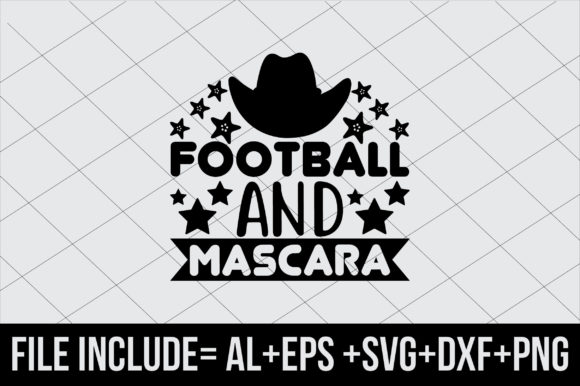
When evaluating a new digital asset for my studio, I look past the screen preview and immediately visualize the needle path. The Football and Mascara design initially caught my eye as a graphic element, but as an embroidery professional, my first question is always about translatability. Does this artwork possess the structural integrity required for thread? While the product description highlights its versatility as an SVG for cutting machines and signage, my review focuses strictly on its potential as a machine embroidery design. This motif sits at a unique intersection of rustic farmhouse charm and spirited game-day energy, creating a specific mood that demands careful execution to avoid looking kitschy or cluttered.
Translating Digital Graphics to Thread Logic
The visual personality of Football and Mascara suggests a playful, gender-normative twist on sports decor, likely targeting moms, wives, or female fans who want to celebrate team spirit without sacrificing feminine aesthetics. However, moving from a vector graphic to an embroidery file requires assessing detail density. In my experience with similar themed graphics, the challenge often lies in the transition between the organic curves of the mascara wand and the structured geometry of the football laces.
If you are adapting this for stitching, pay close attention to the line weight. A running stitch might capture the delicate handle of the mascara, but the brush tip could easily become a dense blob if not digitized with open fill stitches or textured tatami fills. The football itself offers natural opportunities for satin stitch borders, but the laces require precision. If the laces are too thin in the source art, they may disappear into the fabric texture or cause puckering. As a designer, I would recommend verifying that the digital embroidery file separates these elements onto distinct color stops, allowing for clean thread changes rather than messy jump stitches across the design face.
Real-World Application: The Game-Day Tote Bag
To truly test the viability of Football and Mascara, I mentally placed it on a canvas tote bag intended for stadium carry-ins. This is a high-value item for any Etsy seller or craft business because it serves both function and fashion. Canvas provides an excellent, stable foundation for embroidery, but it also has a pronounced weave that can swallow fine details.
In this scenario, the design needs to be bold enough to read from a distance while retaining the intricate contrast between the sporty and glamorous elements. I envision this centered on a natural cotton tote, perhaps paired with a monogrammed name below in a complementary font. The juxtaposition works beautifully here because the tote acts as a neutral backdrop. However, this application reveals a critical consideration: size. On a large tote, a small 3x3 inch version of this design might look lost. Scaling up requires checking the stitch density; simply stretching a standard embroidery file can result in sparse coverage or distorted proportions. For a commercial embroidery project like this, ensuring the design assets are optimized for larger hoop sizes is non-negotiable for maintaining professional quality.
Fabric Limitations and Stabilizer Strategy
While canvas is forgiving, applying Football and Mascara to apparel introduces variables that can make or break the finished product. Sweatshirt embroidery is a popular category for this niche, but fleece and French terry fabrics are textured and stretchy. If the design contains tiny lettering or thin outlines, they will likely sink into the pile of a sweatshirt. In such cases, I would advise using a water-soluble topping to keep the stitches crisp and visible.
Baby embroidery presents another set of constraints. If you plan to use this motif on onesies or bibs, safety and comfort are paramount. Dense satin stitches can create a stiff, scratchy backing against sensitive skin. Furthermore, baby items undergo frequent washing. You must confirm that the stitch type is durable enough to withstand agitation without fraying. For lightweight knits, using a cut-away stabilizer is essential to prevent the fabric from distorting around the football shape. Always test on scrap fabric first; what looks perfect in software can tunnel or pucker on actual garments if the stabilizer choice doesn't match the fabric texture.
Commercial Viability for Makers and Sellers
For creative entrepreneurs and small shop owners, Football and Mascara offers strong giftability, particularly during the fall and winter seasons. It bridges the gap between personalized gifts and trendy seasonal decor. However, brand consistency matters. If your shop specializes in minimalist modern aesthetics, this design might feel out of place unless styled carefully. Conversely, for shops focused on sorority gear, mom-life merchandise, or tailgate accessories, it is a high-potential asset.
Before listing any finished product, verify your licensing. Just because a file is available as a graphic does not automatically grant commercial embroidery rights. Protect your business by confirming you can legally sell items featuring this design. Additionally, consider how this translates to printable mockups. Customers need to see how the texture of the thread interacts with the garment. A flat digital preview doesn't convey the tactile value of handmade products. Investing time in photographing a physical sample builds buyer engagement and trust far better than a generic digital rendering.
Designer Notes for Optimal Results
Based on my evaluation of similar motifs in the Crafts and Graphics categories, here are practical steps to ensure success with Football and Mascara:
- Audit the File: Before stitching, open the digital embroidery file in your editing software. Check for excessive jump stitches and ensure the stitch count aligns with your production time goals.
- Contrast Testing: Test the design on both light and dark fabric backgrounds. White thread on white canvas looks elegant but may lack definition; consider a charcoal or metallic accent thread to make the mascara element pop.
- Hoop Size Verification: Never assume a design fits your hoop. Measure the actual stitch area, not just the bounding box, to avoid hitting the hoop edge during rotation.
- Detail Inspection: Zoom in to 400% to inspect corners and intersections. If the football laces merge with the mascara wand, edit the design to add spacing or change the stitch angle for clarity.
- Mockup Reality Check: Create black and white mockups to evaluate value contrast without the distraction of color. If the design reads poorly in grayscale, it needs more tonal variation in thread colors.
- Licensing Confirmation: Explicitly check whether the license covers physical product sales, digital file resale, or both. Document this permission for your business records.
Final Thoughts on Production Value
Football and Mascara is more than just a cute graphic; it is a test of your digitizing and finishing skills. When executed correctly, it transforms a simple concept into a premium embroidered patch, custom apparel piece, or boutique accessory. The key lies in respecting the medium. Thread behaves differently than ink or vinyl. By prioritizing stitch integrity, appropriate stabilizer use, and thoughtful placement, you elevate this design from a basic digital download to a high-value handmade product that customers are proud to wear and display. Always let the practical realities of embroidery guide your creative decisions, ensuring every stitch serves both the aesthetic and the longevity of the final creation.