American Football is Physics: Embroidery Review
As a designer who spends more time behind an embroidery machine than at a drafting table, I approach every new graphic with a specific question: will this actually stitch out well? When evaluating the AMERICAN FOOTBALL is PHYSICS design, my assessment goes beyond the clever slogan. For those of us in the Crafts and Graphics space, a witty concept must translate into clean lines, manageable stitch counts, and commercial viability. This review breaks down how this vector-based artwork performs when converted from screen to fabric, specifically for makers and shop owners planning their next product line.
First Impressions and Vector Integrity
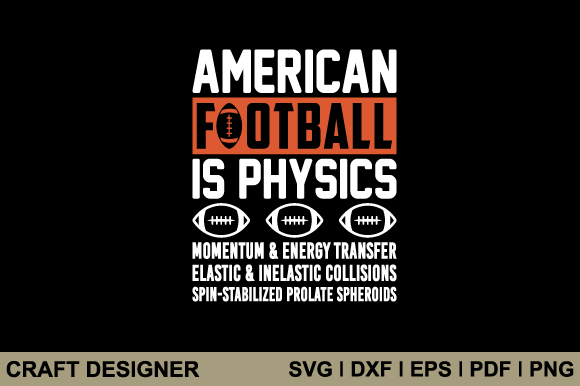
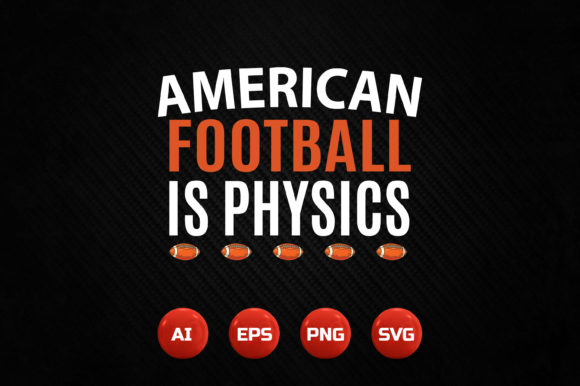
The immediate strength of AMERICAN FOOTBALL is PHYSICS lies in its typographic hierarchy. As a t-shirt design originally intended for print, it relies on bold, readable fonts. From an embroidery digitizing perspective, this is excellent news. The text appears to be constructed from solid shapes rather than distressed textures, which means it is primed for conversion into satin or fill stitches without losing legibility. The included AI, EPS, PNG, and SVG files provide the necessary foundation for creating a high-quality machine embroidery design.
Because the source material consists of 100% vector shapes that are resizable, you have significant flexibility before you even open your digitizing software. Unlike raster images where resizing creates pixelation, these vectors allow you to adjust the scale for different projects while maintaining crisp edges. This is vital for maintaining professional standards in custom apparel. Whether you are sizing down for a pocket logo or scaling up for a full-back sweatshirt, the geometry remains intact, reducing the risk of jagged edges or undefined corners in the final embroidered patch or garment decoration.
Real-World Application: The Varsity Sweatshirt Test
To truly judge this asset, I mentally placed it in a real production scenario: creating custom crewneck sweatshirts for a local high school physics club or football team booster sale. This is a classic use case for sweatshirt embroidery where durability and visual impact matter equally.
In this context, AMERICAN FOOTBALL is PHYSICS serves as a perfect centerpiece. The phrase bridges two distinct niches—athletics and academics—making it highly marketable for Etsy sellers targeting students, teachers, and parents. When stitched onto heavyweight fleece, the design needs to sit flat without puckering. Because the artwork allows for easy color changes, you can match thread colors to specific school branding without redesigning the file. I envision using a metallic gold thread for "PHYSICS" to add perceived value to the handmade product, distinguishing it from generic printed merchandise.
For a small shop product like this, the design’s layout suggests it would work beautifully as a left-chest placement on a tote bag or a centered chest piece on a hoodie. It avoids overly intricate shading that often gets lost in thread, focusing instead on shape and message. This clarity ensures that even from a distance, the customer understands the product, which is essential for craft fair sales and online listings where thumbnail visibility drives clicks.
Technical Considerations for Stitch Success
While the vector art is clean, transitioning to a digital embroidery file requires attention to technical constraints. Just because a graphic is resizable does not mean every size is safe for stitching. Here are practical observations for using this design effectively:
- Lettering Limits: If you resize the design for small items like baby onesies or caps, verify that the letter height remains above 4mm. Anything smaller risks illegibility and needle breaks. For baby embroidery, consider simplifying the design to just the word "Physics" or the football icon if the full phrase cannot fit safely.
- Fabric Texture Interaction: On textured fabrics like terry cloth or pique knit, thin running stitches may disappear. You may need to increase column widths or add an underlay base to ensure the design pops against the fabric grain.
- Stabilizer Strategy: Since this is likely a text-heavy design, proper stabilization is non-negotiable. Use a cut-away stabilizer for stretchy knits to prevent distortion during the satin stitch formation. For woven cottons in a tote bag design, a medium-weight tear-away might suffice, but always test first.
- Density Management: Even though the source is print-ready, do not assume the auto-digitized density is correct for heavy wear. Check your stitch density settings to avoid bulletproof patches that are stiff and uncomfortable. A good fill stitch should cover the fabric without excessive layering.
Navigating Fabric and Hoop Constraints
Designers must be cautious when applying AMERICAN FOOTBALL is PHYSICS to challenging surfaces. Curved surfaces like caps require specialized hooping and potentially a modified version of the design with arched text. Flat vector art does not automatically compensate for the curve of a hat; forcing it can lead to registration errors. Similarly, on dark fabrics, ensure your thread colors offer sufficient contrast. White or light grey text on navy fleece reads well, but low-contrast combinations will make the clever wording invisible.
For commercial embroidery projects involving frequent washing, such as aprons or kitchen towels, secure all jump stitches and trim tails meticulously. While the graphic is "print ready," your finished embroidered item must be "wash ready." Verify that the licensing for these design assets permits the specific end-use you intend, especially if selling physical goods versus digital files.
Enhancing Product Value and Customer Trust
Using high-quality vector sources like this directly impacts buyer perception. In the crowded marketplace of personalized gifts and niche apparel, customers can distinguish between a rushed job and a professionally executed piece. The sharp edges and balanced proportions achievable with this file contribute to a premium feel. When photographing your work for a printable mockup or listing photo, the clean lines of the original vector art translate to professional presentation images that build trust.
Furthermore, the versatility of having AI and EPS formats means you aren't locked into one aesthetic. You can modify the design to create variations for a holiday embroidery collection or a graduation season lineup. Perhaps you swap the football for a graduation cap or change the font style for a feminine demographic. This adaptability maximizes your return on investment for the graphic and keeps your shop inventory fresh.
Essential Pre-Stitch Checklist for Makers
Before committing this design to a final finished product, follow this practical workflow to ensure success:
- Create a Test Stitch-Out: Never run this design directly on a client’s garment first. Stitch it on scrap fabric similar to your final project to check tension and coverage.
- Verify Licensing: Confirm whether your purchase includes rights for selling physical embroidered items or if it is limited to personal use. This is critical for craft business compliance.
- Check Color Contrast: View your thread selection in natural lighting. What looks good on a monitor may lack definition in thread form.
- Inspect Small Details: Zoom in on your digitized preview to ensure no letters are merging or overlapping dangerously.
- Mockup Validation: Create a digital proof to show clients before stitching. The vector nature of this file makes creating accurate design assets for approval much easier than tracing pixelated images.
AMERICAN FOOTBALL is PHYSICS represents a strong starting point for creators who understand that great embroidery begins with great art. By respecting the technical requirements of thread and fabric while leveraging the scalability of these vector files, you can produce merchandise that honors both the sport and the science. Whether you are fulfilling a custom order for a coach or stocking your Etsy shop with unique academic-sports gear, this design offers the structural integrity needed for professional results. Always remember that while the file provides the map, your expertise as an embroiderer determines the destination. Test thoroughly, stitch confidently, and let the quality of your craftsmanship validate the cleverness of the design.